


Ritual as Medicine: Small Practices That Support Deep Healing
The Healing Power of Rituals in Trauma Recovery
The Power of Ritual in Trauma Recovery: Rest, Release & Restore
Trauma recovery is often framed as intensive processing, major breakthroughs, deep emotional work.
And while those moments matter, healing is also built through something quieter and more consistent,
Ritual.
Small, intentional practices that signal safety to your nervous system.
In trauma therapy, ritual becomes medicine. Not because it erases pain, but because it helps your body remember stability, rhythm, and restoration.

Trauma disrupts rhythm.
It interrupts sleep, appetite, concentration, and a sense of internal predictability. It can leave your nervous system living in survival mode — hypervigilant, braced, or shut down.
Ritual gently reintroduces rhythm.
Not rigid routine.
Not perfection.
Intentional repetition that supports regulation.
Ritual says to your body:
You are safe enough to slow down.
You are allowed to soften.
You can return to yourself.
What Is Ritual in Trauma Healing?
Ritual is different from routine.
Routine is task-oriented.
Ritual is nervous-system oriented.
Ritual carries meaning, intention, and presence.
-
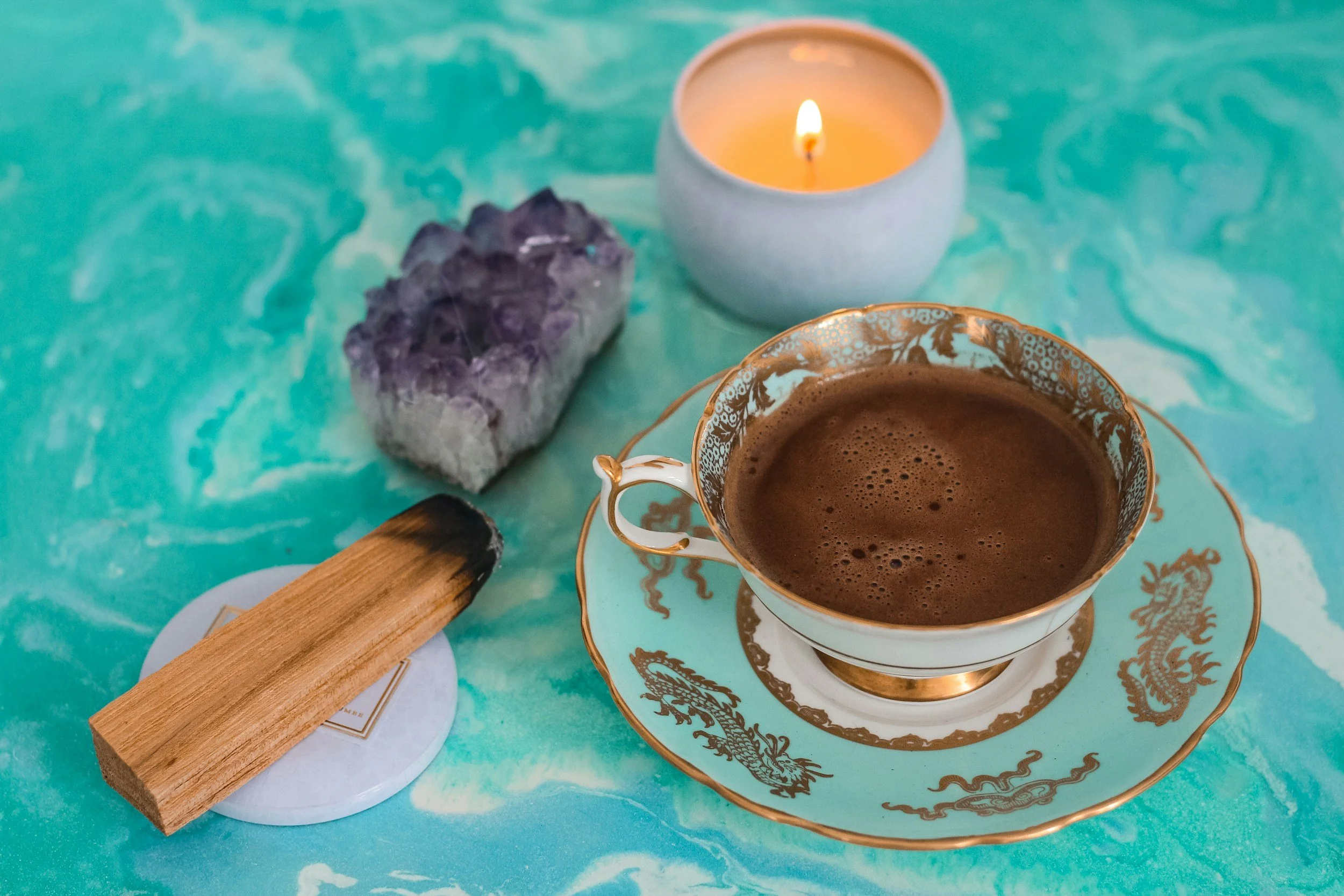
Lighting a candle before journaling
A consistent wind-down practice before sleep
Five minutes of grounding breath work
Gentle stretching at the end of the day
A cup of tea held slowly and intentionally
Stepping outside each morning to feel sunlight
The practice itself may be simple.
The consistency and intention are what make it regulating.

Trauma sensitizes the nervous system. Your body learns to anticipate threat.
Even when danger has passed, your physiology may still be bracing.
Ritual helps the nervous system regulate
Repeated safe experiences reshape neural networks. Over time, your nervous system learns that not every moment requires vigilance.
Rest becomes possible.
Rest
Interrupt Chronic Survival Mode

For many trauma survivors, rest can feel uncomfortable or even unsafe.
Ritualized rest helps the body transition more gradually. Rest is not laziness. It is nervous system repair.
-
A consistent evening shutdown ritual
Holding boundaries that reinforce rest as a sacred practice
Turning off notifications at a set time
Gentle music paired with breathwork
A short body scan before bed
Ritual signals:
This is a transition moment.
You can downshift now.
Release
Allow the Body to Let Go

Trauma is not just stored in memory, it is stored in muscle tension, posture, breath patterns, and organ systems.
When practiced consistently, release rituals prevent stress from accumulating unchecked.
-
Shaking out tension
Dancing
Somatic movement
Vocal release (humming, sighing, chanting)
Journaling emotions without censorship
Crying intentionally in a supported space
Restore
Rebuild Capacity for Joy & Presence

Healing is not only about reducing symptoms. It is about restoring vitality. Ritual creates structured opportunities for small positive experiences. This gradually retrain the nervous system toward safety and possibility.
-
Through,
Encouraging presence
Increasing oxygen flow
Inviting moments of pleasure
Supporting connection to the body
Expanding emotional range
Joy cannot be forced ~ You create conditions where it can return.
Ritual, Embodiment & Somatic Healing
Embodiment grows through consistency. Ritual becomes a container for regulation.
Over time, these small practices:
Strengthen neural integration
Support emotional resilience
Improve stress recovery
Reduce inflammation associated with chronic stress
Ritual invites the body back into relationship with itself.
Ritual is experiential…
Breathe slowly every morning
Stretch your shoulders before logging off work
Sit quietly with a cup of tea
Step outside barefoot
You are teaching your nervous system through repetition.
Creating Your Own Healing Ritual

Start by asking yourself…
What time of day feels most dysregulated?
Where does my body feel the most tension?
What small action helps me soften, even slightly?
Keep it simple.
Keep it consistent.
Keep it meaningful.