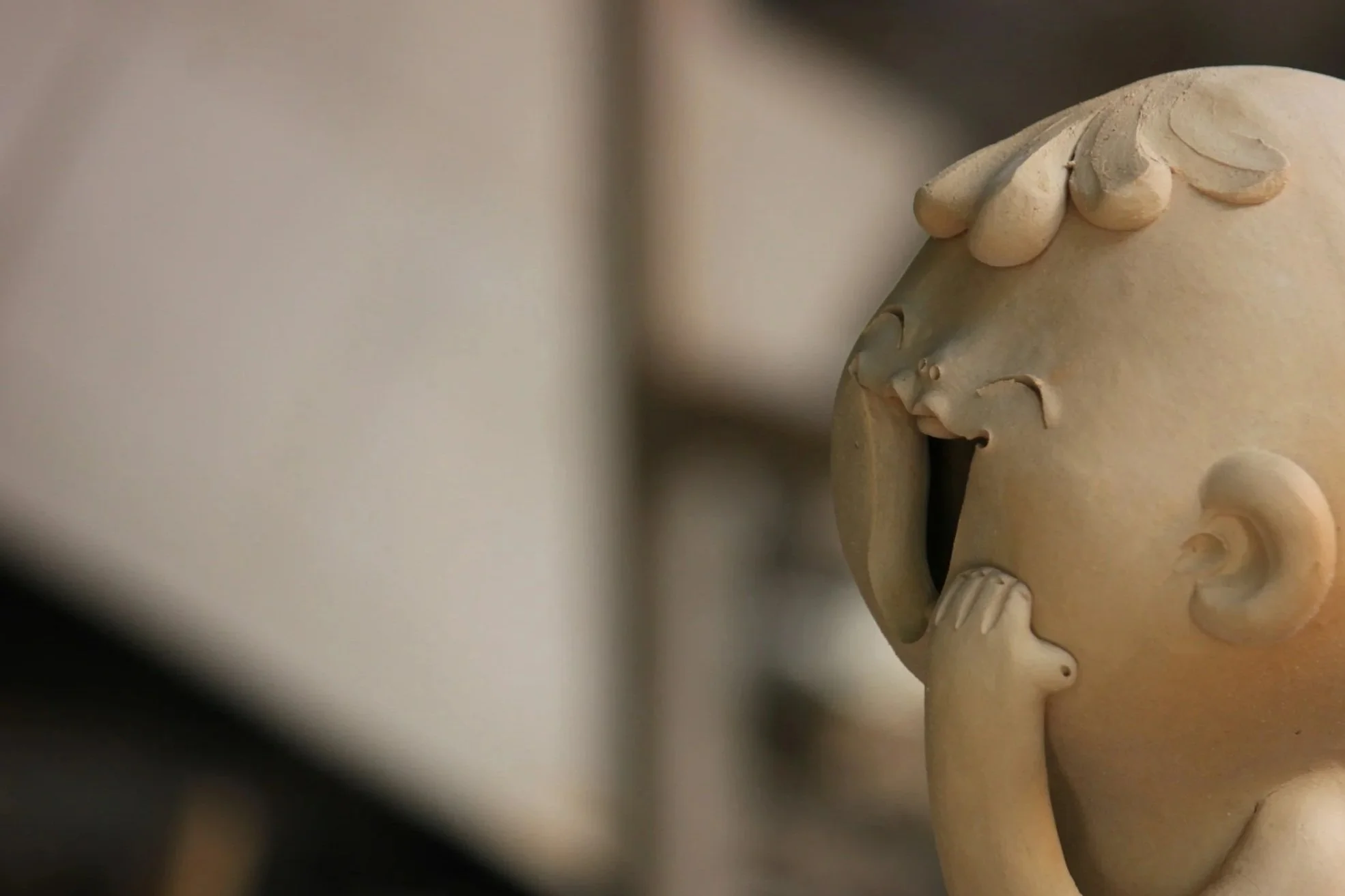
Laughing Through the Hard Stuff: How Humor Shows Up in Trauma Therapy
How Humor Supports Trauma Healing: Finding Lightness
Trauma therapy is often associated with heavy emotions, deep processing, and confronting painful memories.
And yes, that work matters. But healing is not only about revisiting what hurt. It’s also about reintroducing the nervous system to safety, connection, and even joy.
Humor has a place in trauma therapy.
Not as avoidance.
Not as minimization.
But as regulation, integration, and nourishment.
Finding lightness does not mean dismissing pain. It means honoring your pain while also feeding your nervous system something restorative.

If you’ve ever laughed while telling a hard story… cracked a joke when things felt overwhelming… or relied on dark humor to get through chaos you’re not doing anything “wrong.”
In fact, humor can be one of the nervous system’s most intelligent survival tools.
The goal isn’t to replace grief with laughter. It’s to expand your emotional range so that joy and pain can coexist. In trauma work, humor can nourish your nervous system, interrupt survival cycles, and gently reintroduce your body to the experience of safety.

The Neuroscience of Laughter and the Nervous System
Research shows that laughter has measurable physiological effects on the body and brain.

Reduces Stress Hormones
Laughter lowers cortisol and adrenaline. These are the primary stress hormones elevated during chronic trauma and survival mode.
Increases Dopamine and Endorphins
Dopamine supports motivation and executive functioning. Endorphins act as natural pain relievers. For individuals navigating ADHD, trauma, or chronic stress, this neurochemical shift can feel profoundly regulating.

Releases Oxytocin
Shared laughter increases oxytocin. Oxytocin is the bonding hormone associated with connection, trust, and social safety.
Improves Oxygen Flow and Muscle Relaxation
Deep laughter increases oxygen intake, stimulates circulation, and relaxes tense muscles. Trauma often lives in chronic muscular contraction. Laughter invites micro-release.

Activates the Parasympathetic Nervous System
After laughter, the body shifts toward parasympathetic regulation, which is the “rest and digest” state that trauma can disrupt.
Laughter quite literally nourishes your nervous system.

When you laugh, your body experiences a micro-shift from survival mode toward regulation.
In trauma recovery, this matters deeply.
If your nervous system has been living in chronic fight, flight, freeze, or fawn, moments of genuine laughter provide experiential evidence that safety and connection are still possible.
Your body learns through experience — not just insight.
Registering Joy in a Nervous System That Learned Survival & After Trauma
After trauma, joy can feel distant, muted, or even unsafe. As if you’re waiting for the other shoe to inevitably drop.
Trauma changes the body. It changes perception. It changes joy.
The joy you experience now may not feel identical to how it once did. Everything is different after trauma. Your nervous system has adapted. Your thresholds have shifted.

When laughter happens in session — genuinely, organically — your body registers it. Gently it shows your body:
You can still feel something good.
You can still soften.
You can still connect.
Even if joy feels smaller at first, those small pockets can make a remarkable difference.
In somatic and embodiment work, these moments become reference points. Your nervous system begins to recognize:
“This feeling exists. I can come back to this.”
Over time, those moments expand.

Humor, Embodiment, and Somatic Healing
Small Pockets of Joy in Trauma Work

When we intentionally make space for even small pockets of joy, we widen the nervous system’s window of tolerance.
Despite chaos.
Despite chronic stress.
Despite circumstances outside your control.
Finding even small landing places with humor can be stabilizing and promote nervous system repair.
-
Support regulation
Increase embodiment
Reinforce safety cues
Create cellular-level shifts
Invite rejuvenation and oxygen into tense systems

Somatic therapy and embodiment work focus on how experiences are stored in the body, not just the story of what happened.
Laughter is deeply embodied
It moves the diaphragm.
It rattles the core.
It releases breath.
It softens the jaw.
It interrupts freeze states.
In modalities like somatic experiencing, moments of genuine laughter can signal a discharge of stored activation, a shift out of dorsal collapse, and an expansion of capacity.
Humor as Grounding and Connection

Shared laughter builds community. It strengthens attachment. It interrupts isolation.
For many trauma survivors, especially those who felt unseen or misunderstood, humor becomes a bridge toward belonging.
It allows authenticity.
When laughter arises organically in session, it becomes part of the healing process. It reminds your system that not every activation leads to danger. Not every emotional rise leads to a collapse.
You can feel.
You can expand.
You can soften.